- Free Shipping On Select Items
- Free Sample
- Sign Up and Save


Product Spotlight - Wire Mesh for Gutter Guards

High-quality mesh material with fine opening sizes stops debris from filling your home’s gutters, which means water doesn’t overflow. The big picture? Less chance of roof rot or mold, and overwatered plants, plus there’s nowhere for pests to hide.
Home Maintenance Made Easy
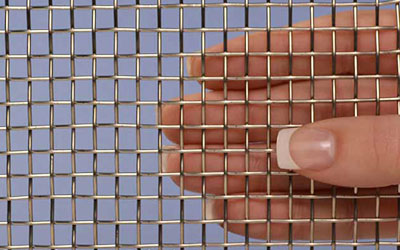 To cut down on the time it takes to clean gutters, many homeowners are turning to gutter guards. Some of the major benefits include:
Clog Prevention: Overflowing gutters can negatively impact other areas of the home. A flooded basement, mold and mildew, and yard erosion are just a few possibilities. Clogged gutters can also create pools of water, which can become breeding grounds for insects.
Easier Maintenance: As there is less debris accumulation throughout the year, the need for gutter cleaning and maintenance is less frequent - and easier to manage.
Resist the Rust: A durable wire mesh gutter guard can keep water flowing, meaning no pooling and the mitigation of rust buildup.
Explore Your Options: Metals, Weaves & Finishes
Keep in mind the unique characteristics of your home, including location and roofing materials. The slope of the roof, and its surrounding environment, have a huge impact on the level of debris that can accumulate in the gutters.
Some homes will never have a leaf in the gutter and others will have an onslaught every fall. Understanding the particular needs of your home as well as looking at the different options available, is imperative when choosing the correct wire mesh for your gutter guard.
Copper mesh can be more expensive, but it’s a long-lasting solution.
Benefits
- Can last up to 100 years
- Corrosion-resistant
- Elegant look and rich patina over time
Stainless mesh is both durable and resistant to rust.
Benefits
- Low price point
- Retains its shine
- Won’t warp or crack in high temperatures
The most common metal gutter guard screen is galvanized welded or woven wire mesh.
Benefits
- The strongest and most durable solution
- Zinc coating prevents rusting
- Easy handling, shearing, and cutting
Weave Types
When it comes to keeping your gutters debris-free, be sure to consider mesh weave types. Each weave offers different benefits.
Plain weave mesh is characterized by extremely exact mesh sizes. Two wires are used; one is wound around the other in a consistent pattern. Compared to other options, plain weave fine-mesh gutter screens are a terrific choice.
 Intercrimp (Int)
An intercrimp weave creates a strong and sturdy wire screen. Its distinctive appearance makes it a great choice for other home projects as well, including garden and lighting applications as well as trellises.
Welded & Woven Wire Mesh
Welded mesh is made up of two wires. The horizontal wire is then welded to the vertical wire to give the screen a high level of security and stability.
Woven wire mesh is made much like fabric, as it is woven on looms. Wires are woven together to create wire mesh in different patterns, such as plain weave.
Surface & Finish Coatings
A mesh’s surface and finish coating affect the performance and longevity of the product. Some will prevent corrosion, while others shape the appearance of a particular mesh.
A mill finish is the surface finish that wire mesh has after it’s manufactured. The texture is usually rough, but some mill finished mesh can be polished, smooth, and uniform.
Go With the Flow & Keep Debris Out - Use Wire Mesh for Your Gutter Guards
Why not make your home maintenance tasks easier? Durable wire mesh is a go-to choice for gutter guards. Mesh guards protect against corrosion and prevent freezing and water damage. Plus, they reduce the buildup of flammable materials, like dry leaves. This helps prevent the chance of fire sparked from burning embers, such as those from a neighbor’s chimney.