- Free Shipping On Select Items
- Free Sample
- Sign Up and Save


Hardware Cloth for Home Repair: Practical Uses & Tips

If there’s one material to keep on hand for unexpected repairs, it’s hardware cloth. This versatile material is applicable in dozens of DIY projects around the home.
Pro tip: Both welded and galvanized wire mesh can sometimes be used interchangeably for a variety of home repair projects, including reinforcing concrete, patching holes in drywall, or creating pest barriers. Their strength and durability make them ideal for different applications, but each has its own advantages depending on the specific needs of your project. If you're unsure which type is best for your task, connect with our team. Our experts are available to provide guidance and recommendations to ensure you get the most effective solution.
Home Repair Uses for Hardware Cloth
DIY Home Fixes With Galvanized Wire Mesh
Repairing Drywall. To repair a drywall hole, start by clearing broken pieces from the edges. Cut a slightly oversized hardware cloth, thread a 6-inch wire through its center, and bend it in half. Insert the cloth into the hole, pulling it snug with the wire. Hold in place with a pencil. Apply drywall compound around the hole with a putty knife. Let dry, remove the wire and pencil, and add additional compound coats, sanding between layers. Finish by priming and painting to blend the repair seamlessly into the wall.
 Pest Control. Holes in the outside of the home can be repaired in a similar way. Hardware cloth is excellent for keeping mice, rats, and other rodents out of crawl spaces, attics, and basements. Keep in mind that mice can squeeze through openings of a quarter of an inch, so an eighth-inch hardware cloth is best for rodent control. Likewise, mice and squirrels can chew through nearly everything except galvanized steel. Therefore, galvanized steel wire mesh is ideal for pest control.
Gutter Guards. Prevent debris from clogging your gutters while still allowing water to flow. Cut a strip of gutter guard wire mesh to four inches wide. Use screws and washers to fasten one edge of the mesh to the roof of the house, and use self-drilling screws to attach the mesh to the outer edge of the gutter. Placing a screw every eighteen inches should do the trick.
Roofing repairs: Galvanized wire mesh is a game-changer for roofing repairs. It seals gaps around chimneys, vents, and roof edges, blocking pests and debris that can cause water damage. This rust-resistant barrier allows airflow while keeping unwanted visitors out. A simple yet effective solution, wire mesh prevents long-term damage and ensures proper ventilation.
Reinforcing Structures Using Welded Wire Mesh
Reinforcing concrete: Welded wire mesh was first used in concrete in 1848 to strengthen concrete row boats that did, in fact, float. Following that innovation, builders began pairing concrete and wire mesh for stronger floors (1854), bridges (1889), streets (1891), walls (1905), and eventually skyscrapers (1962). To add your home repair project to this fascinating history of pairing concrete and wire mesh, remember that mesh with thicker wire will support more weight. Again, it is best for the wire grid to be embedded in the middle of the concrete.
Strengthening sidewalks. The average homeowner is unlikely to erect new walls, but replacing a sidewalk is a more achievable home repair accomplishment. Welded wire mesh can be placed in the middle of a sidewalk to minimize cracking. Pour and smoothen a layer of concrete, add a layer of mesh, and finish the sidewalk with another layer of concrete.
Get more details about how you can use wire mesh in concrete.
SHOP WELDED STAINLESS STEEL WIRE MESH
3 Tips for Using Hardware Cloth in Home Repair Projects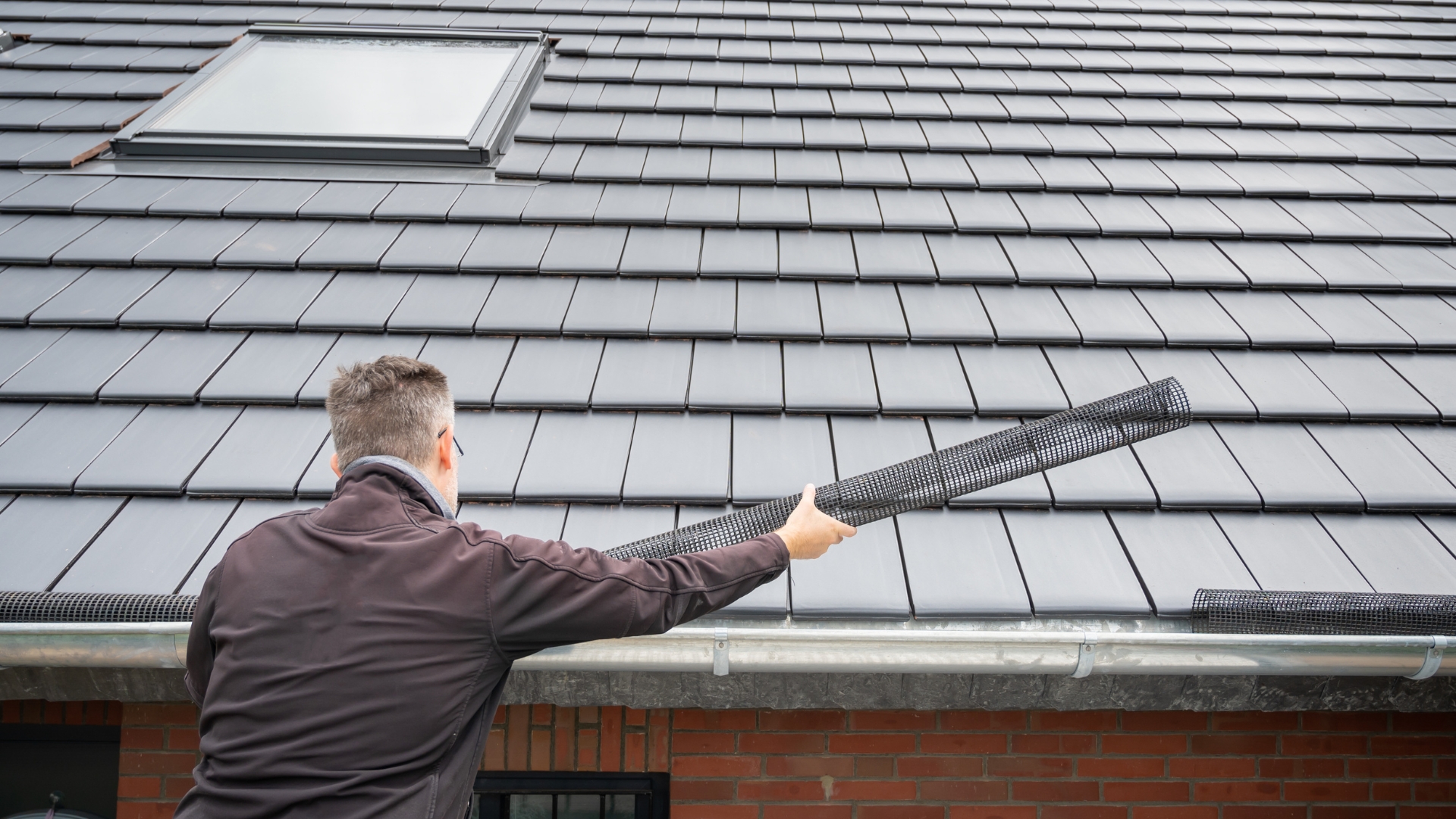
- For outdoor applications, it’s best to use one-eighth-inch hardware cloth. Galvanized wire mesh is an excellent choice because it resists corrosion and effectively helps keep out pests.
- Safety first. Flying debris and sharp edges are hazardous. Wear eye protection and work gloves. Tin snips work well to cut hardware cloth.
- Fastening hardware cloth may be accomplished with carpentry tacks, screws, caulk, glue, staples, and other materials.
National Suppliers of Metal Mesh & Hardware Cloth
No matter the finish, weave, size, or material you’re looking for, we’ve got it in stock. For over 40 years, TWP Inc. has been the trusted choice for top-quality metal mesh and hardware cloth. Whether your DIY project is indoors or outdoors, we’re here to help you achieve your goals.
We can also help make your project more manageable because we offer custom in-house laser cutting, cleaning services, slitting, and more.
With hundreds of wire mesh options available and ready for fast, reliable shipping, we’re confident we can provide the perfect mesh panels or rolls for your next project. Have questions? Contact us today to find the best solution!
Once you’ve completed your project, snap a pic and tag it with #TWPWireMesh to inspire other DIY types!